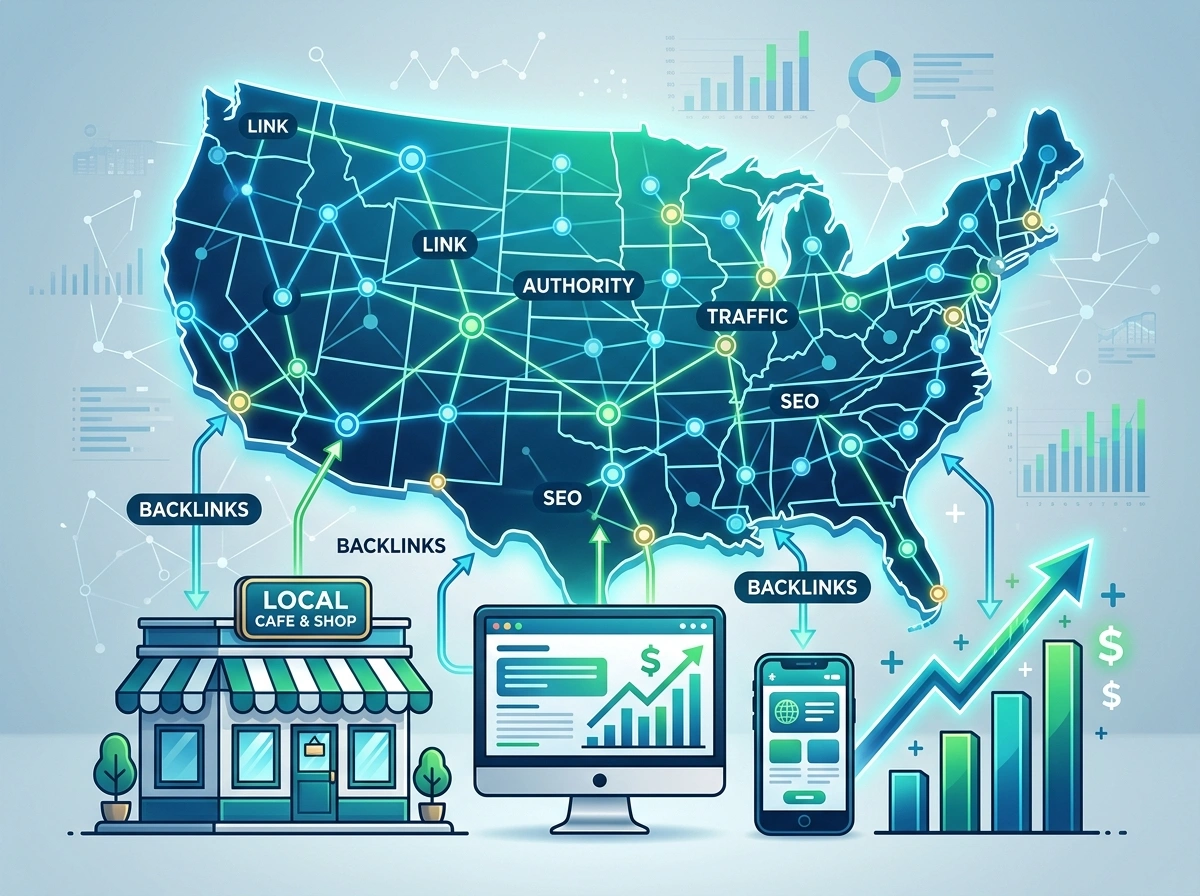
Securing a prominent position on search engine results pages is one of the most significant challenges facing small enterprises. Competing against established corporations with massive marketing budgets can often feel like an unwinnable battle. Smaller companies usually operate with limited staff, strict budget constraints, and a desperate need for quick returns on investment. Relying purely on natural growth strategies might take years to yield meaningful traffic, leaving business owners frustrated and invisible to their target audience.
Search engine optimization provides a reliable pathway to visibility, but it is heavily dependent on authority. Creating excellent content is simply the baseline requirement for digital success. To truly command the attention of search algorithms, a website must prove its trustworthiness and relevance. Without a strong foundation of off-page signals, even the most beautifully designed and informative small business website will struggle to reach the first page of search results.
This reality forces business owners to seek efficient, scalable solutions to build their digital authority. Instead of waiting for authority to accumulate naturally over several years, many organizations are taking a proactive approach. Understanding the mechanics of off-page optimization and strategically acquiring authority can completely transform a company’s trajectory, driving targeted traffic and measurable revenue growth.
Understanding the Role of Backlinks in SEO
Search engines like Google use complex algorithms to determine which websites deserve the top spots for specific queries. While these algorithms evaluate hundreds of different ranking factors, backlinks remain one of the most powerful indicators of a website’s quality. You can think of a backlink as a digital vote of confidence from one website to another. When a reputable site links to your business, it signals to search engines that your content is valuable, trustworthy, and worth showing to users.
The value of these digital votes is not equal across the board. A link from an authoritative, well-established website carries significantly more weight than a link from a newly created or low-quality blog. Search algorithms assess the domain authority, relevance, and historical trustworthiness of the linking site. If a respected industry publication points to your service page, search engines interpret that connection as a strong endorsement.
Beyond simply passing algorithmic value, high-quality links also provide secondary benefits. They establish pathways for direct referral traffic, bringing highly relevant visitors straight to your products or services. Furthermore, being mentioned on reputable platforms increases overall brand awareness. For a small business attempting to establish credibility, these endorsements act as crucial trust signals for both search algorithms and human consumers.
Why Small Businesses Struggle with Organic Link Building
Earning off-page authority organically requires an immense investment of time, resources, and specialized knowledge. The traditional approach to link building involves creating comprehensive content assets, finding relevant websites, identifying contact information, and sending hundreds of personalized outreach emails. For a small team already stretched thin managing daily operations, dedicating dozens of hours each week to email outreach is simply not feasible.
Even when companies commit to organic outreach, the success rates are notoriously low. Website owners and editors receive countless requests for links every single day. Standing out in a crowded inbox requires exceptional networking skills and often pre-existing relationships. Without an established brand name or a massive piece of proprietary research to leverage, small businesses face rejection or complete silence the vast majority of the time.
Additionally, large corporations employ entire teams of digital PR specialists dedicated solely to relationship building and content promotion. They have the budget to host events, sponsor major publications, and create interactive data studies that naturally attract attention. Small enterprises trying to replicate these strategies on a shoestring budget quickly discover that organic link acquisition is an uneven playing field designed to reward those who already possess significant market share.
How Buying Backlinks Can Accelerate Online Growth
Recognizing the limitations of organic outreach, proactive business owners are utilizing paid strategies to close the authority gap. When you strategically buy backlinks, you are essentially investing in a streamlined digital PR process. Instead of spending months sending cold emails with a negligible success rate, you collaborate with professionals who already possess established relationships with publishers, bloggers, and webmasters.
This strategic investment drastically reduces the timeline for seeing concrete SEO results. While organic campaigns might take six months to secure a handful of placements, a paid approach can secure contextual, powerful links on authoritative domains almost immediately. As these new links are indexed by search engines, the target website begins to experience an influx of link equity. Data shows that consistent, high-quality link acquisition often leads to noticeable ranking improvements within an average window of four to eight weeks.
Accelerated growth translates directly into business momentum. By moving from the third page of search results to the top three spots, a company captures a significantly larger share of active searchers. This rapid increase in targeted organic traffic generates more leads, more sales, and a faster return on investment. The revenue generated from these early rankings can then be reinvested into further marketing efforts, creating a compounding cycle of digital growth.
Enhancing Competitive Edge in the USA Market
The United States represents one of the most lucrative and highly saturated digital markets in the world. Consumers conduct millions of searches daily for local services, software solutions, and e-commerce products. Securing a competitive edge in this environment requires hyper-targeted authority building. Generic links from overseas domains with no relevance to the American market will do very little to improve visibility for a company operating out of Texas or New York.
Paid link acquisition allows businesses to specifically target USA-based websites with verified domestic organic traffic. By securing placements in articles and directories that resonate with an American audience, a business signals intense local relevance to search algorithms. This localized authority is particularly crucial for companies trying to capture geographically specific queries or compete against national brands that dominate localized search results.
Niche edits provide another powerful avenue for gaining a competitive advantage. This tactic involves securing a link placement within an existing, aged article that already ranks well in your specific industry. Because the page has already earned trust and authority over time, the link equity passed to your website is immediate and potent. Leveraging established content allows small organizations to bypass the waiting period associated with newly published guest posts.
Quality vs. Quantity: Choosing the Right Link Building Strategy
A common misconception among business owners is that generating the highest possible volume of links will guarantee search ranking success. In reality, search algorithms have become incredibly sophisticated at identifying and devaluing artificial link patterns. A strategy focused purely on quantity often relies on automated software, spam directories, and low-quality blog networks. These tactics not only fail to improve rankings but can actually trigger algorithmic penalties that remove a website from search results entirely.
The modern digital landscape demands a strict focus on quality over quantity. Five contextual placements on highly relevant websites with steady organic traffic will always outperform five hundred links generated on isolated, spammy domains. High-quality sources are defined by rigorous vetting metrics, including a strong Domain Rating (DR), a clean outbound link profile, and genuine user engagement.
When choosing a strategy, businesses must prioritize platforms that enforce ethical practices. A successful campaign requires manual outreach and careful negotiation with real website owners. The goal is to integrate your brand naturally into valuable content that serves the reader. This editorial approach ensures that the authority gained is permanent, safe from future algorithm updates, and genuinely beneficial to the overall health of the website.
Best Practices for Safely Acquiring Backlinks
Safety and longevity must be the primary concerns when investing in off-page optimization. The first and most critical best practice is adhering strictly to white-hat methodologies. This means completely avoiding Private Blog Networks (PBNs) and link farms. Search engines actively hunt down these networks, and associating your business with them poses a massive risk to your digital livelihood.
Anchor text diversity is another essential component of a safe campaign. The anchor text is the clickable word or phrase that houses your link. If every single backlink points to your site using the exact same commercial keyword, search engines will easily identify the pattern as unnatural manipulation. A professional strategy utilizes a healthy mix of branded terms, naked URLs, broad topic phrases, and specific keywords to create a natural-looking backlink profile.
Transparency and reporting ensure that you know exactly where your marketing budget is going. Always demand comprehensive reports detailing the exact URLs, the domain metrics of the placement, and the traffic statistics of the hosting site. Reputable providers operate with full visibility, allowing you to independently verify the quality of the domains pointing to your business. If an agency obscures its sources or refuses to share placement URLs, consider it a major red flag.
Measuring the Impact on Search Rankings and Traffic
Investing in off-page SEO requires diligent tracking to ensure the campaign delivers a positive return on investment. The most fundamental metric to monitor is keyword movement. Using reliable tracking software, you can observe how your target pages climb the search engine results pages over time. Because search algorithms take time to crawl and evaluate new links, patience is required, but a steady upward trajectory indicates that the strategy is functioning correctly.
Organic traffic volume serves as the ultimate barometer for SEO success. Google Analytics and Google Search Console provide detailed insights into how many users are discovering your site through search engines. As your target pages climb higher for valuable queries, you should see a corresponding spike in daily visitors. It is helpful to compare traffic data month-over-month to visualize the compounding effect of your newly acquired authority.
Beyond traffic and rankings, small business owners must measure conversion metrics. Increased visibility is only valuable if it translates into tangible business outcomes. Track the number of phone calls, contact form submissions, or direct purchases resulting from organic traffic. By calculating the cost of the link acquisition campaign against the revenue generated from new customers, you can accurately assess the profitability of the strategy and adjust your marketing budget accordingly.
Integrating Paid Link Building into Your Marketing Plan
Building digital authority should never exist in a vacuum. The most successful organizations treat link acquisition as one pillar of a comprehensive marketing strategy. Driving thousands of visitors to a website that suffers from poor design, slow loading speeds, or confusing navigation will result in wasted opportunities. Before aggressively pursuing off-page authority, ensure that your technical SEO foundation is solid and your site provides an excellent user experience.
Content quality remains inextricably linked to outreach success. High-quality websites are much more willing to link to exceptional resources. By continually publishing insightful blog posts, original data, and comprehensive service pages, you provide valuable destinations for your newly acquired links. Great content combined with strong off-page authority creates an unstoppable mechanism for search engine dominance.
Ultimately, navigating the competitive digital landscape requires resourcefulness and strategic investment. Small businesses no longer have to accept obscurity while massive corporations dominate the search results. By understanding the mechanics of search algorithms, insisting on high-quality placements, and carefully integrating paid authority building into a broader growth strategy, USA-based small businesses can confidently accelerate their visibility, attract their ideal customers, and thrive in the modern economy.
