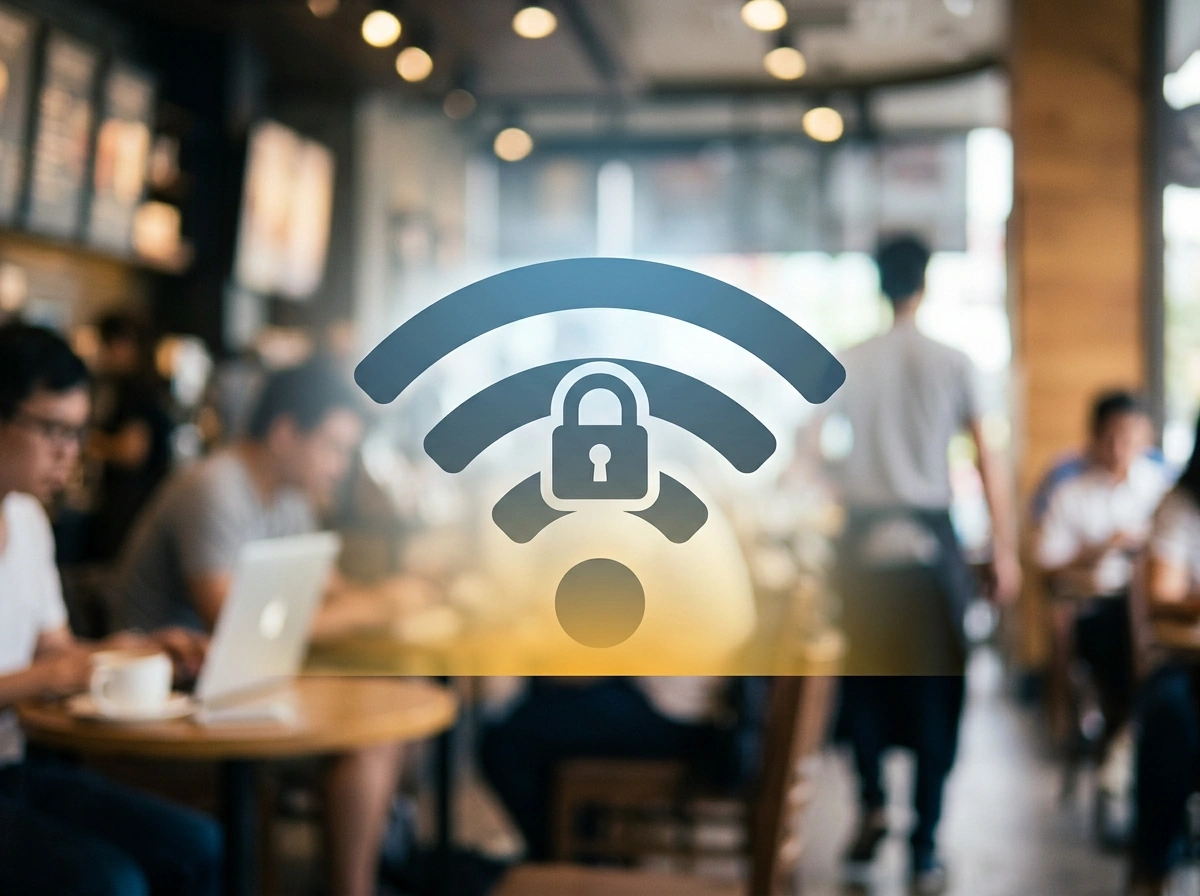
That “free Wi-Fi” sign at your favorite coffee shop feels like a small gift. You settle in, connect in seconds, and start scrolling, streaming, or catching up on work. No data charges, no hassle. But here’s the uncomfortable truth: that connection isn’t really free. You may be paying with something far more valuable than money—your personal information.
Across the United States, millions of us hop onto public networks every single day at airports, hotels, malls, and libraries. High tech adoption is part of American life, and open Wi-Fi has become something we expect. Yet most people rarely stop to think about who else might be watching. In this guide from tech ehla com, we’ll break down the real dangers hiding behind those open networks and share practical steps you can take to stay safe.
Why Free Wi-Fi Isn’t Really Free
When a network is open and unsecured, the data traveling between your device and the router can be exposed. Think about everything you do online: checking email, logging into your bank, shopping, chatting with family. On an unprotected network, that activity can become visible to people with the right tools and bad intentions.
The cost isn’t a monthly bill. It’s the risk of stolen passwords, drained bank accounts, hijacked social media, and identity theft. And these threats aren’t rare. As cybercriminals grow more advanced, public hotspots have become one of their favorite hunting grounds.
The Hidden Dangers of Public Wi-Fi
Understanding the threats is the first step to protecting yourself. Here are the biggest risks you face every time you connect to an open network.
Man-in-the-Middle Attacks
A man-in-the-middle attack is exactly what it sounds like. A hacker secretly positions themselves between you and the website or service you’re using. Instead of your data going straight to its destination, it passes through the attacker first.
That means anything you type—usernames, passwords, credit card numbers—can be captured without you ever noticing. The page looks normal, your connection feels fine, but someone in the middle is quietly reading along.
Data Theft and Packet Sniffing
Information sent over a network travels in small pieces called packets. On an unsecured connection, cybercriminals can use “sniffing” software to grab these packets right out of the air. If a website isn’t properly encrypted, they can read your messages, view your browsing habits, and collect sensitive details.
This kind of eavesdropping is silent and leaves almost no trace. You could walk away from a café with no idea that your login credentials just landed in a stranger’s hands.
Malware Distribution
Some public networks are used to push malicious software directly onto connected devices. You might see a fake “software update” pop-up or a prompt to install a plugin to access the internet. One careless click, and malware slips onto your phone or laptop.
Once installed, that software can track your keystrokes, lock your files for ransom, or quietly hand over your data. The damage often continues long after you’ve left the network.
Rogue Hotspots and Evil Twins
Here’s a sneaky one. Attackers set up their own Wi-Fi network with a trustworthy-sounding name, like “Airport_Free_WiFi” or “Hotel Guest.” These fake networks are called rogue hotspots or “evil twins.”
When you connect, you’re not joining the real network—you’re handing your entire session directly to a criminal. Everything you do flows through their equipment. Because the name looks legitimate, this trick fools even careful users.
Privacy Invasion and Tracking
Not every threat comes from an outright criminal. Some free networks collect far more about you than you’d expect. They may log the sites you visit, track your location, or build a profile to sell to advertisers. In exchange for “free” access, you may be signing away your privacy in the fine print you never read.
How to Stay Safe on Public Wi-Fi
The good news is that you don’t have to swear off public Wi-Fi forever. With a few smart habits and the right tools, you can enjoy the convenience while keeping your data locked down. Here’s how.
Use a VPN
A Virtual Private Network (VPN) is your single best defense. It creates an encrypted tunnel between your device and the internet, scrambling your data so that even if someone intercepts it, they see nothing but gibberish.
Choose a reputable VPN provider and turn it on before you connect to any public network. Many affordable and even free options exist, and the peace of mind is well worth it. On an open network, a VPN turns your exposed data into a locked vault.
Avoid Sensitive Transactions
Some tasks are simply too risky for public Wi-Fi. Try to hold off on the following until you’re on a secure, trusted connection:
- Online banking and money transfers
- Shopping with a credit card
- Accessing medical or tax records
- Logging into work systems with confidential data
If you absolutely must handle something sensitive while out, use your phone’s cellular data instead. A mobile hotspot is far safer than an open café network.
Enable Two-Factor Authentication
Two-factor authentication (2FA) adds a second lock to your accounts. Even if a hacker steals your password, they still need a second code—usually sent to your phone or generated by an app—to get in.
Turn on 2FA for your email, banking, and social media accounts. It’s one of the simplest and most powerful ways to keep intruders out, even if your login details are compromised.
Verify the Network Is Real
Before connecting, take a moment to confirm the network is authentic. Ask an employee for the exact name of the official Wi-Fi. Be suspicious of networks with slightly odd names, duplicate listings, or ones that don’t require any agreement or password.
If two networks look nearly identical, that’s a red flag for an evil twin. When in doubt, don’t connect.
Stick to Encrypted Websites
Always look for “https://” and the padlock icon in your browser’s address bar. The “s” stands for secure and means your connection to that site is encrypted. Avoid entering any personal information on sites that only show “http://” without the padlock.
Adjust Your Device Settings
A few quick tweaks make a big difference:
- Turn off automatic connections. Stop your device from joining open networks without your say-so.
- Disable file sharing. This closes an easy door for attackers on the same network.
- Keep software updated. Updates patch security holes that hackers love to exploit.
- Use a firewall. Most devices include one—make sure it’s switched on.
Log Out and Forget the Network
When you’re done, log out of your accounts and tell your device to “forget” the network. This prevents it from automatically reconnecting later, when you may not be paying attention.
Building Better Digital Habits
Staying safe online isn’t about a single tool or one-time fix. It’s about building consistent habits that protect you everywhere you go. Treat every public network as if someone could be watching, because they very well might be.
Talk to your family, too. Kids, teens, and older relatives often connect to public Wi-Fi without a second thought. Sharing these tips helps protect everyone in your household. For more helpful guides on protecting your digital life, resources like tech ehla com can keep you informed as threats continue to evolve.
The Bottom Line
Free Wi-Fi offers real convenience, and you don’t have to give it up entirely. But you do need to understand the true cost. Behind that open network could be a man-in-the-middle attacker, a data thief, a malware trap, or a rogue hotspot waiting for an easy target.
By using a VPN, avoiding sensitive transactions, turning on two-factor authentication, and verifying every network before you connect, you shift the odds firmly in your favor. A few small steps today can save you from a massive headache tomorrow.
So the next time you spot that inviting “free Wi-Fi” sign, go ahead and enjoy the convenience—just make sure you’re the one in control of your data, not a stranger sitting a few tables away.
